Mila Lukic, CEO and founder of Bridges Outcomes Partnerships talks to Karolina Adamkiewicz about the motivations for launching a platform dedicated to outcomes-based financing and the evolution of the sector.
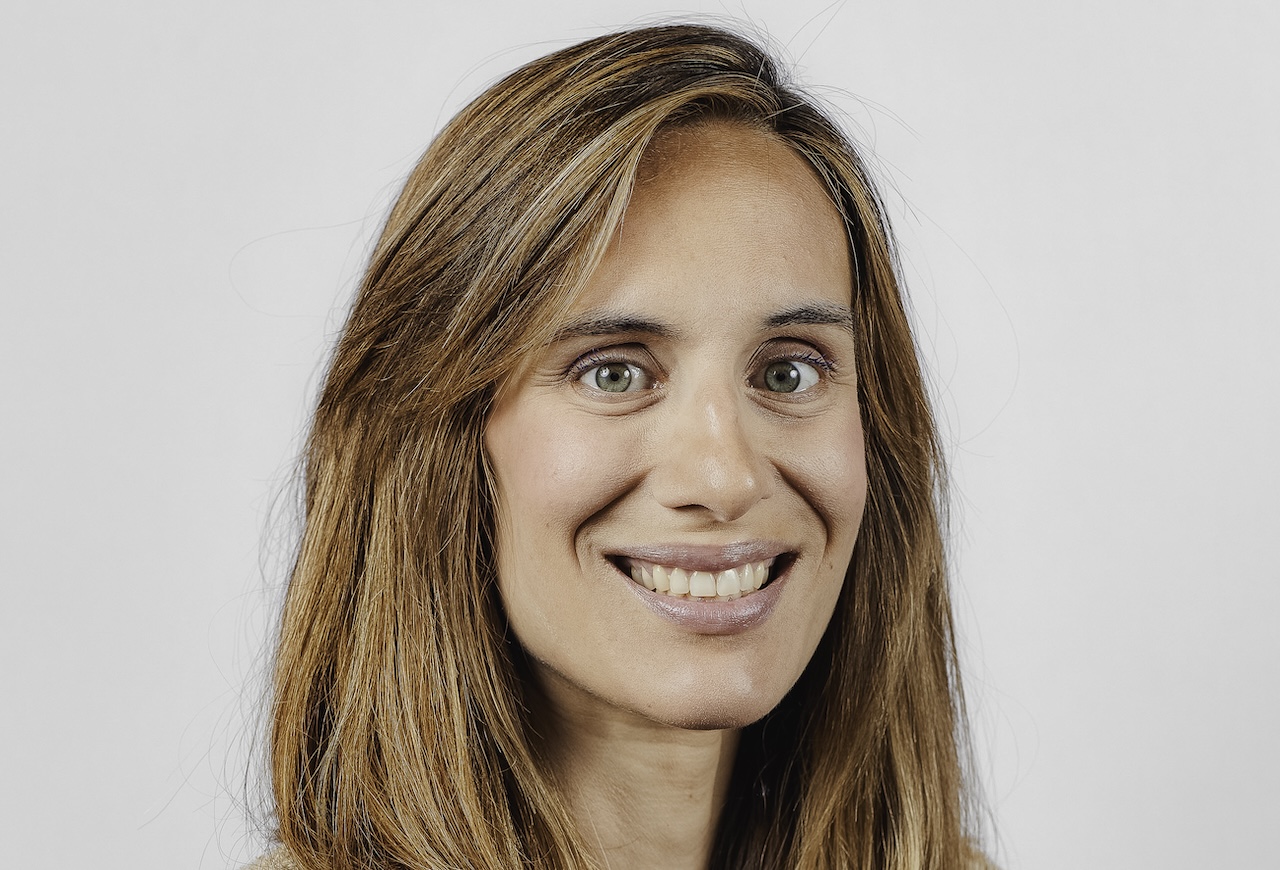
Mila Lukic is the CEO of Bridges Outcomes Partnerships (BOP), the not-for-profit subsidiary of UK-based impact investment manager Bridges Fund Management.
Although the organisation was officially incorporated in 2018, Lukic and her team have been developing and implementing outcomes contracts and partnerships for over 15 years within the wider Bridges group.
To date, they have delivered more than 85 outcomes partnerships, generating around £200m (€227m) of outcomes for more than one million people globally across the areas of health, education, employment and homelessness prevention, among others. They have also targeted environmental outcomes for a more regenerative and circular economy.
KA: What were the motivations for setting up a separate entity focused exclusively on developing outcomes partnerships?
ML: In 2008, Bridges was selected and awarded a contract by the UK Cabinet Office to manage a part of the government’s investment budget – and raise match funding from foundations and other social investors – that had been set aside to catalyse risk-taking investment into social enterprises and charities. The aim was to create innovation in local public service delivery enabling better outcomes for people and communities.
What became very clear, very quickly, was that the extent to which you can create change and accelerate delivery – unless you’re also doing that in partnership with the government – is limited. That’s how we started developing outcomes partnerships, by aligning social investment, government funding and delivery models around the same, shared goals and outcomes. We realised you could enable better outcomes when all partners are aligned and when government spend is specifically tied to and only made when outcomes are achieved. Bridges Outcomes Partnerships was created as a platform to build the infrastructure needed to facilitate partnership building and allow that work to continue at scale.
KA: How have outcomes contracts evolved since they were first launched?
ML: Many of the early initiatives were commissioned by national government departments with much of that work developed on a four-to-five-year, project-by-project basis. The main evolution I have seen, is the growing recognition that outcomes commissioning and outcomes partnerships are a really powerful way of enabling long-term systemic public service transformation.
People are realising that the social infrastructure these create can be transposed to a number of different policy areas. Importantly, their success to date is also helping to move the investment focus towards thinking about what individuals and communities need and how best to support that, rather than having several public budgets working in silos, trying to help the same group of people through slightly different lenses. If you can be more coordinated and more explicit about the shared goal, then you can create something much more powerful and deliver better and longer lasting outcomes.
KA: Does the UK government’s recent launch of the £500m Better Futures Fund, indicate a growing recognition that outcomes-based funding can deliver improved outcomes and better value and do you see this trend developing elsewhere in Europe?
ML: Absolutely. There is no better recognition that outcomes partnerships can create better outcomes and better value when implemented well, than this UK Treasury-backed initiative. By committing to this funding and by co-commissioning delivery with local authorities and other outcomes-funders, the UK government is effectively acknowledging that in order to enable systemic change, you need pooled budgets and a holistic approach to delivery. The 10-year tenure of the fund is also critical in creating long-term change, especially in the more difficult areas in which outcomes partnerships typically operate such as children and family support and homelessness prevention.
There has been a lot of interest in Europe, especially in Spain and the Netherlands, in the Better Futures Fund and what can be done at the level of national governments to deal more effectively with complex social challenges. Elsewhere, in Sweden, a knowledge practice centre is being set up to test outcomes-focused preventative initiatives in the field of public health, which we are watching closely.
KA: Of all the outcomes partnerships delivered by BOP to date, which one has stood out most for you recently?
ML: Recently, the $10.1m Development Impact Bond for Adolescent Sexual Reproductive Health, an outcomes-based contract which focused on reducing early and unintended pregnancies and new HIV infections in adolescent girls living in informal urban settlements in Kenya, supported significantly more girls than originally planned. We will continue to work closely with Tiko, the delivery partner, alongside the UN Population Fund and a number of other partners, to expand delivery to other countries in Africa through the launch of the Girls’ Outcomes Platform.
The journey with Tiko emulates the evolution in outcomes partnerships that I referenced previously, in that it has moved from a single short-duration project to a way of working, continued via the Girls’ Outcomes Platform. With the launch of the platform, we want to be able to deliver outcomes in perpetuity, making it really easy for other outcomes funders to participate and fund specific outcomes in different countries. We also expect other delivery partners to join the platform to deliver outcomes in their communities.
KA: The ‘Shifting Gears’ report that BOP published in partnership with GSG Impact at the end of last year, highlighted some of the challenges in scaling outcomes partnerships. Twelve months on, what challenges remain and are you optimistic about the future of outcomes funding?
ML: I’m very optimistic about the future of outcomes funding, especially since the launch of the Better Futures Fund, which provides a vote of confidence in this approach and is aligned with one of the recommendations we made in our report.
The practice of pooling budgets to achieve common goals is still not business as usual, so we will continue to advocate for more pooled and holistic approaches which effectively respond to the needs of individuals and communities. We also want to see more long-term funding initiatives that enable the flexible budgeting that is needed when you’re trying to deliver different levels of outcomes year-on-year, but that remains quite hard for governments to commit to.
Overall, we continue to see the significant impact that can be created when you enable the delivery of more strength-based, place-based approaches and remain convinced that this type of investing is genuinely creating better outcomes for people and communities.