Impact Fund Denmark has backed a Danish-built wastewater treatment plant in Pakistan with a record €183m loan, aiming to tackle textile pollution, improve water quality and support energy self-sufficiency locally.
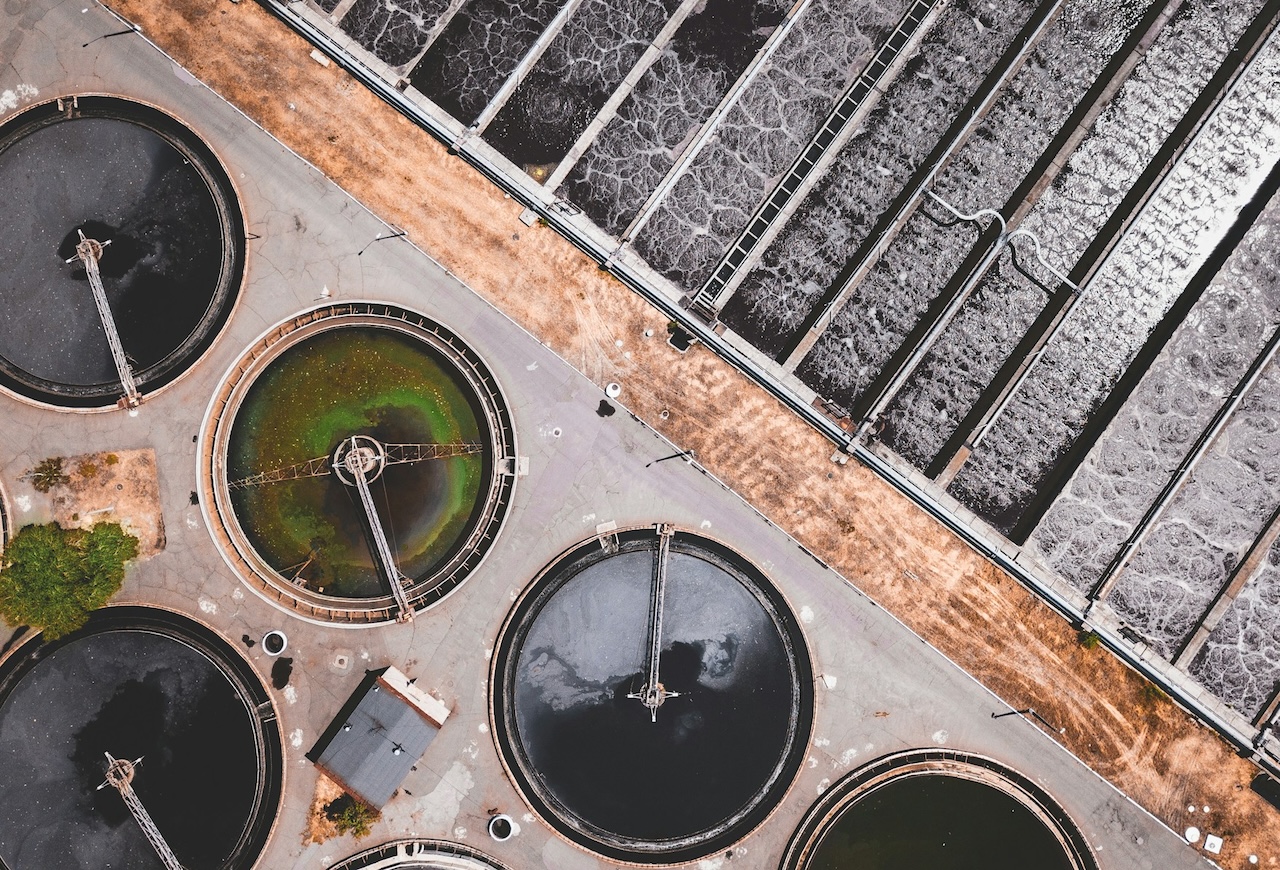
Impact Fund Denmark, Denmark’s development finance institution for developing countries which was formerly known as IFU, has provided its largest ever loan of €183m (DKK 1.4bn) to a Danish-built wastewater treatment plant in Pakistan.
The new facility in Faisalabad, Pakistan’s third-largest city and a centre for the country’s textile industry, will treat 150,000 m3 of wastewater.
According to Impact Fund Denmark, this will improve water quality for around 765,000 people.
Pakistan currently treats only about 10% of its wastewater, with the remainder discharged untreated into rivers and canals. This polluted water is often reused for agricultural irrigation, contaminating both the environment and food production. In textile producing areas such as Faisalabad, wastewater can even change colour depending on the dyes being used, Impact Fund Denmark said.
Three Danish firms are involved in the project. Sweco delivered the feasibility study, NIRAS is responsible for technical assistance and supervision, and Munck Group will design, construct and operate the plant. The facility is also expected to achieve up to 80% energy self-sufficiency through biogas production, according to Impact Fund Denmark.
Speaking to Impact Investor about safeguards to ensure the project delivers meaningful reductions in untreated textile pollution, Tina Kollerup Hansen, managing director of Impact Fund Denmark, said a Danish contractor will operate and maintain the plant for three years following the completion of the three-year construction period. During this time, the contractor will train staff from the Faisalabad water and sanitation agency, who will subsequently take over operations.
“This operational model, proposed by Impact Fund Denmark to ensure the plant’s long-term sustainability, is new to Pakistan,” Kollerup Hansen said. “In addition, the plant will generate a significant share of its own electricity, helping to reduce operating costs and improve overall sustainability.”
Drawing on Danish expertise in wastewater treatment, Impact Fund Denmark funded the project’s feasibility study, with a focus on sustainability, energy efficiency and life-cycle costs to maximise development impact, Kollerup Hansen added.
Impact Fund Denmark’s previous projects in Pakistan span industrial, energy, and infrastructure sectors. In March 2018, the fund (then IFU) committed €8.5m in a blended finance structure to support increased production capacity of Power Cement Limited in Pakistan.
In 2021, the fund co-invested alongside Burj Capital and FMO to acquire and support Jhimpir Power, a wind farm project in Sindh province.