







Institutional capital now represents roughly a quarter of the UK’s £6.02bn impact investment affordable housing market as of the end of 2024, according to a report by Better Society Capital and The Good Economy.
The government hopes its new Office for the Impact Economy will provide a hub to drive large-scale funding into social impact. We asked senior figures in the sector for their views on the move.
Water Unite Impact is backing the Norwegian firm Flocean, whose subsea desalination technology aims to provide clean, sustainable freshwater with lower energy use.
Pension funds remain the most active investors in the UK’s social impact sector, with a strong focus on social and affordable housing, according to a report by Better Society Capital.
The asset manager said impact-oriented investment in public equities, in addition to private markets, is needed to tackle global social and environmental challenges.
The Africa-focused fund with a gender-inclusive strategy has invested in 18 firms in five countries in sub-Saharan Africa, almost half of which had female founding teams.
Pensioenfonds Detailhandel said it will increase its impact portfolio from around €300m to as much as €1.5bn after a strong push from members. The fund said it is considering allocating the capital in areas such as affordable housing and clean energy.
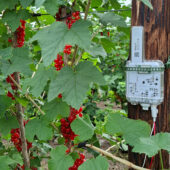
Investors said the technology, which measures and interprets electrical signals from plants to assess their health, will improve farming sustainability and profitability.
The fund, which will invest into early-stage ventures led by diverse founding teams, was backed by a range of public and private institutional investors and family offices.
Members of the impact investor community spoke to Impact Investor about whether the revised SFDR categories have brought structure to the sector, and shared what still concerns them.